
About Us
Welcome to Matua Sangeet– Your Home for Authentic Matua Devotional Song Lyrics.
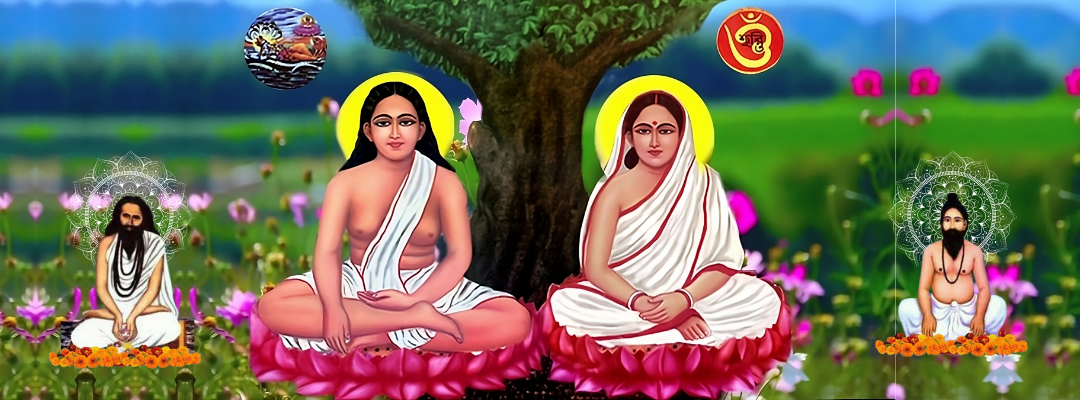
Matua Sangeet Lyrics is a dedicated platform created to preserve and share the sacred lyrics of Matua devotional songs, inspired by the teachings of Shri Shri Harichand Thakur and Shri Shri Guruchand Thakur. Our goal is to help followers, researchers, and music lovers easily access and understand the spiritual messages within these songs.
We believe that the lyrics of Matua Sangeet are not just words—they are powerful expressions of devotion, philosophy, and identity. Many of these songs have been passed down orally, and through this platform, we aim to digitally document and preserve them for future generations.
Whether you're looking to learn the lyrics for prayer, performance, or personal reflection, Matua Sangeet Lyrics provides accurate and well-organized content in both Bengali and English transliteration (if needed), helping you connect more deeply with Matua Dharma.
What We Offer:
-
A growing collection of Matua devotional song lyrics
-
Songs categorized by theme, occasion, or composer
-
Simple layouts for easy reading and sharing
-
Educational notes on select songs to explain meanings and background
A growing collection of Matua devotional song lyrics
Songs categorized by theme, occasion, or composer
Simple layouts for easy reading and sharing
Educational notes on select songs to explain meanings and background
Our Mission:
To preserve, spread, and celebrate the lyrical essence of Matua spirituality.
Thank you for being a part of this journey. Let the words of truth, unity, and devotion light your path.
– Team Matua Sangeet
আমাদের সম্পর্কে
Matua Sangeet-এ আপনাকে স্বাগতম – মতুয়া ভক্তিমূলক গানের সঠিক ও সংরক্ষিত লিরিক্সের একটি বিশ্বস্ত প্ল্যাটফর্ম।
Matua Sangeet একটি নিবেদিত ডিজিটাল উদ্যোগ, যার উদ্দেশ্য হলো মতুয়া ভক্তিগীতির লিরিক্স সংগ্রহ, সংরক্ষণ ও ছড়িয়ে দেওয়া। আমরা বিশ্বাস করি যে এই গানের কবিতার মতো লিরিক্সগুলো শুধু গান নয় – এগুলো আমাদের আধ্যাত্মিকতা, সংস্কৃতি ও বিশ্বাসের প্রতিফলন।
এই ওয়েবসাইটের মাধ্যমে আমরা শ্রদ্ধেয় শ্রীশ্রী হরিচাঁদ ঠাকুর ও শ্রীশ্রী গুরুচাঁদ ঠাকুর এর আদর্শ ও দর্শনের উপর ভিত্তি করে রচিত গানের কথা সকলের কাছে সহজভাবে তুলে ধরতে চাই।
যারা প্রার্থনার জন্য, পারফরমেন্সের জন্য, বা কেবল নিজেদের আত্মিক উন্নতির জন্য গান গাইতে বা শিখতে চান – তাঁদের জন্য এই ওয়েবসাইটে সঠিক ও স্পষ্ট লিরিক্স প্রদান করা হয়। অনেক গান বাংলায় লেখা এবং প্রয়োজনে ইংরেজি লিপ্যন্তর (transliteration) সহ দেয়া হয়।
আমরা যা প্রদান করি:
-
বিশুদ্ধ ও যাচাইকৃত মতুয়া গানের লিরিক্স
-
গানের বিভাগ অনুযায়ী বিন্যাস (উৎসব, ভাব, রচয়িতা ইত্যাদি)
-
সহজ ভাষায় লেখা যাতে সবাই পড়তে ও শেয়ার করতে পারেন
-
কিছু গানে অর্থ ও ব্যাখ্যা সংযোজিত (প্রয়োজনে)
বিশুদ্ধ ও যাচাইকৃত মতুয়া গানের লিরিক্স
গানের বিভাগ অনুযায়ী বিন্যাস (উৎসব, ভাব, রচয়িতা ইত্যাদি)
সহজ ভাষায় লেখা যাতে সবাই পড়তে ও শেয়ার করতে পারেন
কিছু গানে অর্থ ও ব্যাখ্যা সংযোজিত (প্রয়োজনে)
